inorderto用法深入解析、正確掌握與實用範例:提升寫作精準度的關鍵
Table of Contents
深入解析「in order to」的核心用法:讓您的表達更精確有力
在英文寫作與口語表達中,我們經常需要闡明行為的目的或意圖。「in order to」這個片語便是達成此目的的強大工具。它不僅能清晰地指出某行動的「為何」或「為了什麼」,更能為您的語句增添一份正式感與精確度。然而,許多學習者常會對其使用時機、與其他相似表達的差異感到困惑。
本文將作為一份全面且深入的指南,專注於【inorderto用法】的每一個面向。我們將從其基本語法結構談起,深入探討其肯定與否定形式、在句子中的不同位置,並與常用的「to」進行比較,幫助您掌握其微妙差異。透過大量實用例句和常見錯誤解析,您將能夠精準地運用「in order to」,使您的英文表達更上一層樓。
「in order to」的核心概念與語法結構
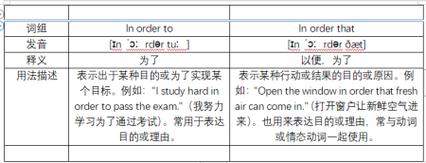
「in order to」在英文中,最主要的功能是引導一個目的狀語,說明某個動作或行為所欲達成的目標。它通常可以被翻譯為「為了…」、「以便…」或「目的在於…」。
「in order to」的基本語法形式:緊接動詞原形
「in order to」的核心用法非常簡單且固定:它必須後接一個動詞的「原形」(base form of the verb)。
- 結構: in order to + 動詞原形
-
範例:
- She studies hard in order to pass the exam. (她努力學習,以便通過考試。)
- We exercise regularly in order to stay healthy. (我們規律運動,以便保持健康。)
- He saved money in order to buy a new car. (他存錢,目的是為了買一輛新車。)
強調目的性與正式語氣
相較於單純使用「to」來表示目的,「in order to」通常帶有更強烈的目的性,並且語氣上更為正式。當您需要明確地強調某個行為背後的意圖或目的時,「in order to」會是更好的選擇。
思考以下例子:
- She went to the library to study. (她去圖書館讀書。) – 簡單說明目的。
- She went to the library in order to prepare for her final exam. (她去圖書館,目的是為了準備期末考。) – 更明確地強調去圖書館的具體原因和目的。
「in order to」在句子中的不同位置
「in order to」引導的目的狀語可以在句子中放置於不同位置,通常不影響句子的基本語義,但會對語氣或強調的重點產生細微的影響。
句首位置:強調目的或提供背景
將「in order to」放在句首,可以加強對目的的強調,或作為整個句子的背景鋪陳。當置於句首時,通常會用逗號與主句隔開。
-
範例:
- In order to reduce carbon emissions, many countries are investing in renewable energy. (為了減少碳排放,許多國家正投資於再生能源。)
- In order to understand the complex issue, we need to gather more data. (為了理解這個複雜的問題,我們需要收集更多數據。)
- In order to achieve high scores, students must practice diligently. (為了取得高分,學生必須勤奮練習。)
句中或句末位置:自然流暢的表達
「in order to」更常被置於句子中間或結尾,緊跟在它所修飾的動詞之後,這會使語句更為自然流暢。在句中時,通常不需要逗號。
-
範例:
- He works two jobs in order to support his family. (他做兩份工作,以便養家。)
- The company implemented new policies in order to improve employee satisfaction. (公司實施了新政策,目的是為了提高員工滿意度。)
- She started learning French in order to communicate with her relatives in Paris. (她開始學習法語,目的是為了與她在巴黎的親戚交流。)
「in order to」的否定形式
當我們需要表達「為了不…」或「以免…」時,「in order to」也有其特定的否定形式。
結構:「in order not to + 動詞原形」
與肯定形式不同,否定形式的「not」必須置於「to」之前,形成「in order not to」。
- 結構: in order not to + 動詞原形
-
範例:
- Please speak quietly in order not to disturb the baby. (請小聲說話,以免吵醒嬰兒。)
- He left early in order not to miss his flight. (他提早離開,以免錯過班機。)
- They built a fence in order not to let the wild animals enter the garden. (他們築了一道籬笆,以免野生動物進入花園。)
「in order to」與「to」的區別及使用時機
這是許多學習者最常感到困惑的地方。「in order to」和單純的動詞不定式「to」都可以表示目的,但它們之間存在語氣和強調程度的差異。
語氣與語境的考量
-
「to」:
是更為常見和通用的表達方式,在日常口語和非正式寫作中廣泛使用。它只是簡單地說明一個目的,語氣較為中性、直接。
- I went to the store to buy some milk. (我去商店買牛奶。)
- He studies hard to get good grades. (他努力學習以取得好成績。)
-
「in order to」:
如前所述,它更強調目的的明確性、重要性或背後的意圖。語氣更為正式,常用於學術寫作、商業溝通或需要精確表達目的的場合。
- The research was conducted in order to assess the long-term effects of the drug. (這項研究的進行,是為了評估該藥物的長期影響。)
- We implemented strict protocols in order to ensure the safety of all participants. (我們實施了嚴格的協議,目的是為了確保所有參與者的安全。)
何時不建議使用「in order to」?
雖然「in order to」可以為表達增添精確度,但並非所有情況都適用。過度使用或在不必要的場合使用,反而會讓語句顯得冗長和做作。
-
當「to」已足夠清晰時: 如果目的非常明顯,且無需特別強調,單獨使用「to」更簡潔自然。
-
不建議:I opened the door in order to let the cat out. (我開門以便貓出去。) – 顯得多餘
-
建議:I opened the door to let the cat out. (我開門讓貓出去。)
-
-
避免冗餘: 在已經有其他詞彙表達目的的情況下,不應再疊加「in order to」。
-
不建議:He worked hard for the purpose of in order to earn more money. (這裡”for the purpose of”和”in order to”重複表達目的)
-
建議:He worked hard in order to earn more money. (他努力工作以便賺更多錢。)
-
大量實用例句解析
以下提供更多豐富多元的例句,幫助您更好地理解並掌握「in order to」在不同情境下的應用。
-
學術研究領域:
- The scientists conducted extensive experiments in order to validate their hypothesis. (科學家們進行了大量的實驗,目的是為了驗證他們的假說。)
- Students are required to cite their sources accurately in order to avoid plagiarism. (學生必須準確引用資料,以避免抄襲。)
-
商業與管理:
- The company held an emergency meeting in order to address the sudden drop in sales. (公司召開了一次緊急會議,目的是為了應對銷售額的突然下降。)
- We need to reduce costs in order to remain competitive in the market. (我們需要降低成本,以便在市場中保持競爭力。)
- The marketing team launched a new campaign in order to attract a younger demographic. (行銷團隊發起了一項新活動,目的是為了吸引更年輕的目標客群。)
-
日常行動與決策:
- She started saving early in order to be able to afford a house down payment. (她開始提早儲蓄,目的是為了能支付房屋頭期款。)
- I woke up at 5 AM in order to catch the first train. (我凌晨五點起床,目的是為了趕上第一班火車。)
- They volunteered their time in order to help the local community. (他們志願付出時間,目的是為了幫助當地社區。)
-
強調負面目的:
- He wore a disguise in order not to be recognized by the public. (他戴著偽裝,以免被公眾認出。)
- Be careful with your words in order not to offend anyone. (說話要小心,以免冒犯任何人。)
-
法律與規範:
- New regulations were introduced in order to protect consumers’ rights. (引入了新法規,目的是為了保護消費者的權益。)
- You must present your ID in order to enter the restricted area. (您必須出示身分證件,才能進入限制區域。)
常見錯誤與避免方法
雖然「in order to」的語法相對簡單,但在使用上仍有一些常見的錯誤,值得我們注意。
1. 後接名詞或名詞片語
這是最常見的錯誤之一。「in order to」必須後接動詞原形,而不是名詞。
-
錯誤範例: He studies hard in order to good grades. (他努力學習以便好成績。)
-
正確範例: He studies hard in order to get good grades. (他努力學習以便取得好成績。)
-
錯誤範例: We held a meeting in order to project success. (我們開會以便專案成功。)
-
正確範例: We held a meeting in order to ensure project success. (我們開會以便確保專案成功。)
2. 冗餘與不必要的複雜化
如前所述,當「to」本身就能清晰表達目的時,避免畫蛇添足地使用「in order to」。
-
錯誤範例: I went to the supermarket in order to buy some bread. (我去超市以便買麵包。)
-
建議: I went to the supermarket to buy some bread. (我去超市買麵包。)
判斷標準是:如果去掉「in order」後,句子的意思仍然完整且表達清晰,那麼通常可以簡化為只用「to」。
3. 混淆「in order to」與「so that」
「in order to」和「so that」都表示目的,但語法結構不同。
-
「in order to」: 後接動詞原形,連接一個動作的目的。
- He saved money in order to buy a house.
-
「so that」: 後接一個完整的子句(包含主詞和動詞),表達目的或結果。
- He saved money so that he could buy a house.
兩者在許多情況下可以互換,但「so that」更強調目的達成後的結果或可能性,且更常用於引導複雜的從句。
結論
掌握「in order to」的正確用法,是提升英文寫作精準度和表達能力的重要一步。它不僅讓您的語句目的性更強、語氣更為正式,也能避免因語意模糊而造成的溝通障礙。
透過本文的詳細解析,您應該對「in order to」的基本結構、肯定與否定形式、在句子中的位置以及與「to」的差異有了更深入的理解。記住,多加練習,並在實際的閱讀和寫作中留意其使用情境,將有助於您更自如地運用這個強大的片語,讓您的英文表達更加地道、精確!
常見問題(FAQ)
如何判斷何時應該使用「in order to」而非簡單的「to」?
判斷的關鍵在於「目的強調程度」與「語氣正式性」。當您需要明確突出某行為背後的具體、重要目的,或希望語氣更為正式嚴謹時(例如在學術論文、商業報告或法律文件中),則推薦使用「in order to」。如果目的簡單明瞭,且語氣非正式,則單純使用「to」即可。
為何「in order to」後面不能直接接名詞或名詞片語?
「in order to」本身是一個不定詞片語,其核心功能是作為副詞性質的「目的狀語」,用來修飾動詞,說明動作的目的。因此,它後面必須直接連接一個動詞的原形,來表達這個「為了達成某個動作」的目的。如果需要引導名詞目的,則應使用介系詞「for」加名詞,例如「for a purpose」或「for the purpose of…」。
「in order to」可以和「so that」互換使用嗎?它們有什麼主要差異?
在許多情況下,「in order to」和「so that」確實可以互換來表達目的,但它們的語法結構和強調側重點不同。「in order to」後接動詞原形,強調行為本身的目的;而「so that」後接一個完整的子句(包含主詞和動詞),通常強調目的達成後的結果或可能性。選擇哪一個取決於您希望如何建構句子以及強調的重點。
「in order to」在口語溝通中是否常用?
「in order to」在口語中雖然可以使用,但相較於「to」來說,頻率較低,因為它的語氣更為正式。在日常輕鬆的對話中,人們更傾向於使用簡潔的「to」來表達目的。但在需要清晰闡述重要目的或在較為正式的口頭報告、演講中,使用「in order to」會顯得更精確和專業。